Relocating to Singapore is such an exciting leap. It is a city of lush greenery, incredible food, and amazing efficiency. However, I know from browsing online forums like Reddit that the local rental market can be a complex beast to tame. From confusing acronyms like “HDB” and “CCR” to figuring out how to calculate stamp duty, finding a place to call home often feels overwhelming for a newcomer.
If you are hunting for your first accommodation, I believe you need more than just a list of available rooms. You need a strategy. Here is my comprehensive breakdown of what to expect and how to navigate the market safely.
1. Understanding the Landscape
Singapore is divided into three main regions for property. First, you have the CCR or Core Central Region, which covers prime districts like Orchard and Marina Bay. You should expect very high rents here. Then there is the RCR, the Rest of Central Region. These are city-fringe areas like Tiong Bahru or Geylang which are popular for a balance of price and convenience. Finally, you have the OCR or Outside Central Region. This is where you find the suburbs and the most affordable options.
Recent discussions in local tenant communities suggest that rental prices have fluctuated quite a bit. Currently, I estimate you can expect to pay anywhere from S$700 to S$1,000 for a basic HDB common room in the suburbs. If you want a condo room with pool access, that typically ranges from S$1,300 to S$2,000+.
2. The “Live-In Landlord” Dilemma
One of the most debated topics among foreign renters is whether to stay in a unit where the landlord also lives. While it is often cheaper, I have seen that “live-in” arrangements can come with a surprising amount of friction.
Common complaints I read about include strict curfews and “light cooking only” policies. This often strictly means boiling water for instant noodles with no frying allowed. There are also frequent restrictions on using the washing machine to just once a week. For a newcomer used to independence, this can be a huge culture shock.
3. The Hidden Admin and Costs
Traditional renting involves more than just paying rent. You need to be prepared for Stamp Duty, which is a tax paid to the tax authority upon signing the tenancy agreement. You also have the hassle of setting up utilities and waiting for activation. Plus, there is aircon servicing. A standard clause in Singapore requires tenants to professionally service air-conditioning units quarterly.
The Hassle-Free Alternative
For many expats, I find that the search for a stress-free room for rent in Singapore often leads to the discovery of co-living. This is where Cove stands out as my top recommendation for those new to the city.
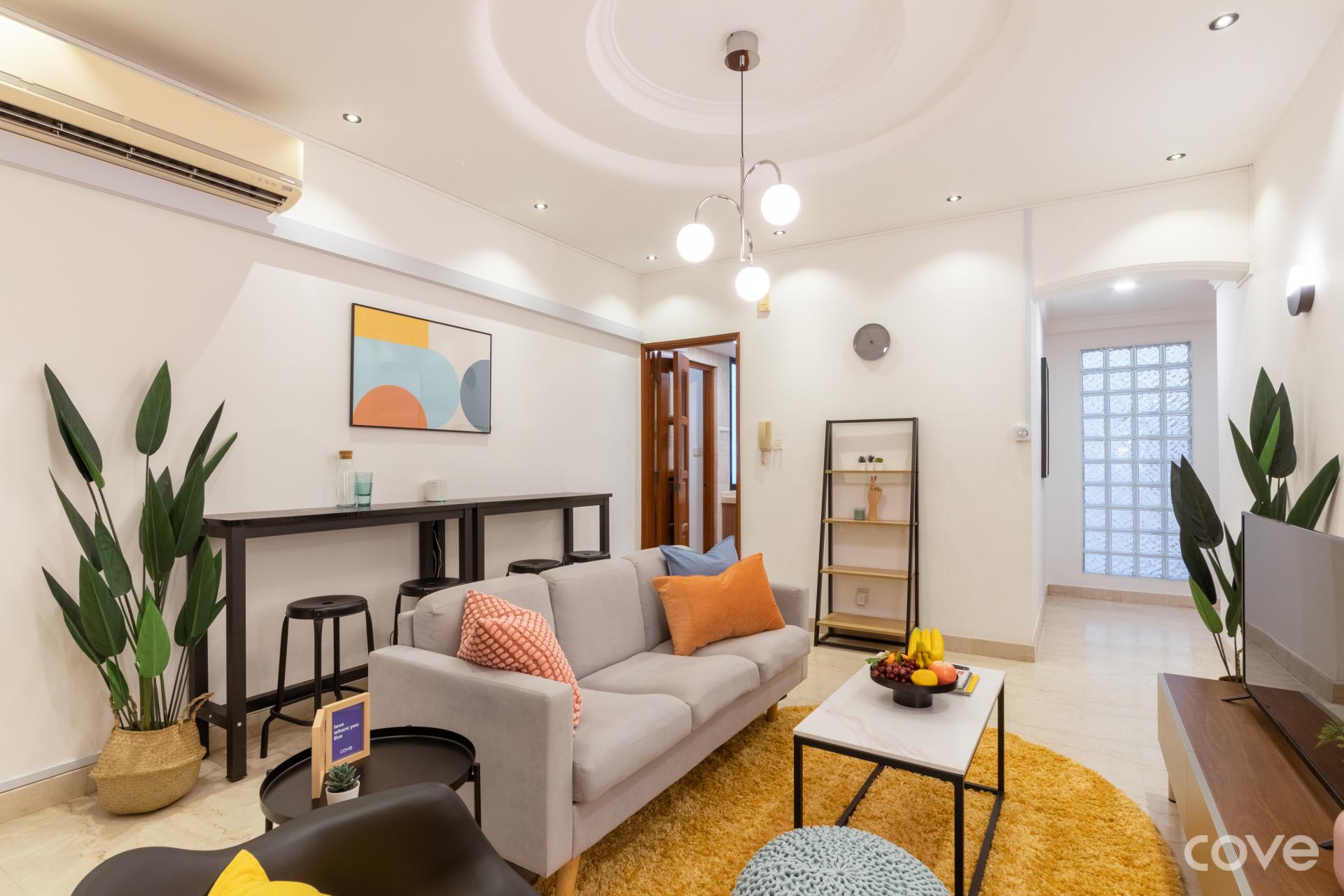
I think Cove solves the “newcomer friction” effectively. Instead of negotiating with individual landlords or buying furniture for a temporary stay, Cove offers fully furnished rooms with a flat monthly fee. This fee includes your utilities, high-speed WiFi, and even weekly housekeeping.
It is the perfect “soft landing” because you get flexible lease terms starting from just 3 months rather than the standard 1 or 2 years. You also get the freedom of a home without a landlord watching your every move. You can move in, drop your bags, and immediately focus on your new job or studies while leaving the household admin to the professionals.